Porphyry History
Porphyry is a rare stone, found only in a few select locations around the world. Known and used since ancient times, it has played a significant role in the history of civilization. Major relics and monuments made of porphyry have been uncovered at ancient Assyrian, Babylonian, Egyptian, and Roman sites.Today, porphyry continues to be a top choice for hardscaping in modern architecture, offering exceptional strength, timeless beauty, and versatility in creating outdoor spaces, from urban pavements to landscaping elements in residential, commercial and public projects.
Geological Origin
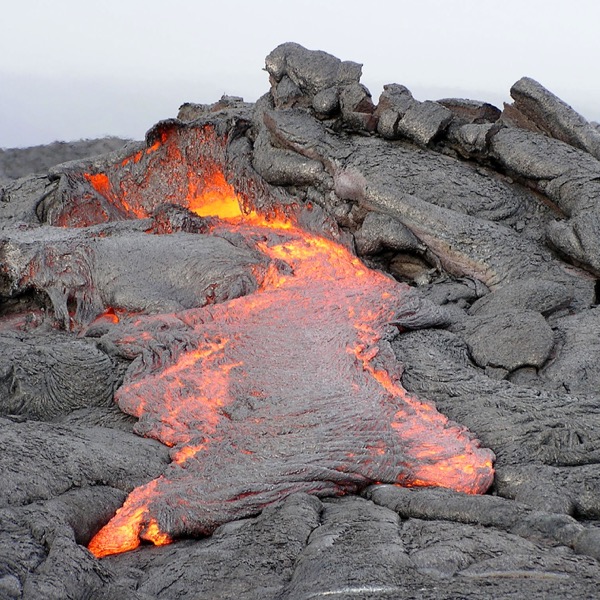
Porphyry is an igneous rock formed from volcanic lava that cools slowly beneath the Earth's crust. This gradual cooling process allows for the development of larger crystals embedded in a finer-grained background, giving the rock its distinctive texture. Over millions of years, natural geological processes have brought these formations to the surface, making them suitable for various uses.
Ancient Origin
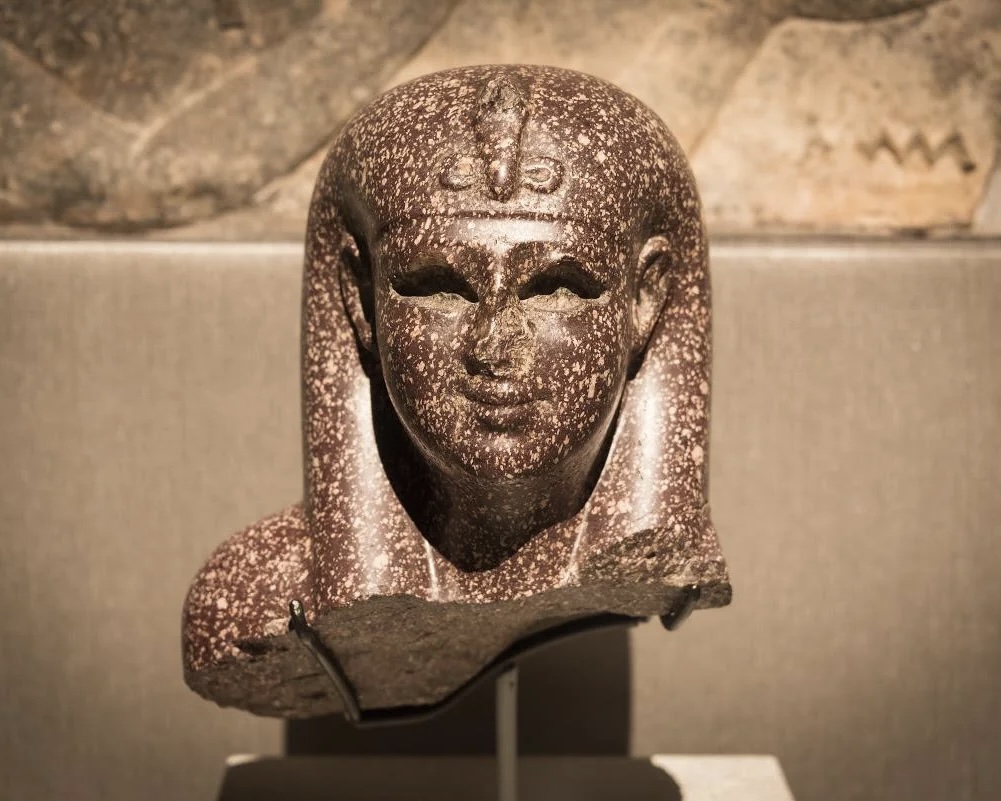
The term "porphyry" is derived from the Greek word porphyra, which translates to "purple," highlighting the unique purple hues found in certain varieties of this stone. It has been prized since ancient civilizations, with both the Egyptians and Romans acknowledging its striking appearance and durability.
Roman Era
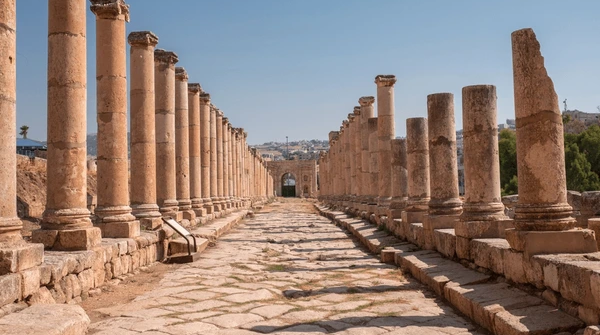
Since the time of the Romans, porphyry has been regarded as one of Europe's most valuable stones. Formed through intense heat and pressure, its density is greater than that of granite, which makes it an excellent material for building robust roads, including the legendary Roman paths that crossed the Alps and served as the basis for the streets of Paris.
After Second World War
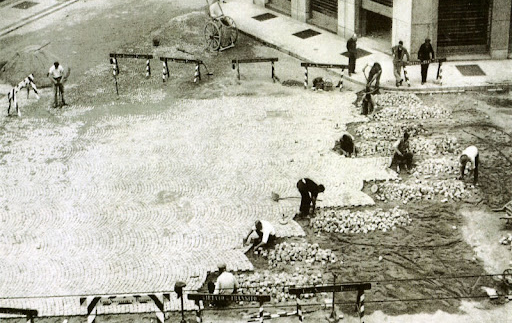
Following World War II, porphyry became an essential element in the reconstruction and modernization of European cities. As urban areas sought to restore infrastructure damaged by the war while honoring their historical roots, porphyry was extensively utilized for paving streets, public squares, and pathways, particularly in areas of historical significance. Its resilience and enduring aesthetic made it an excellent choice for urban renewal projects, effortlessly complementing both traditional and modern architectural styles.
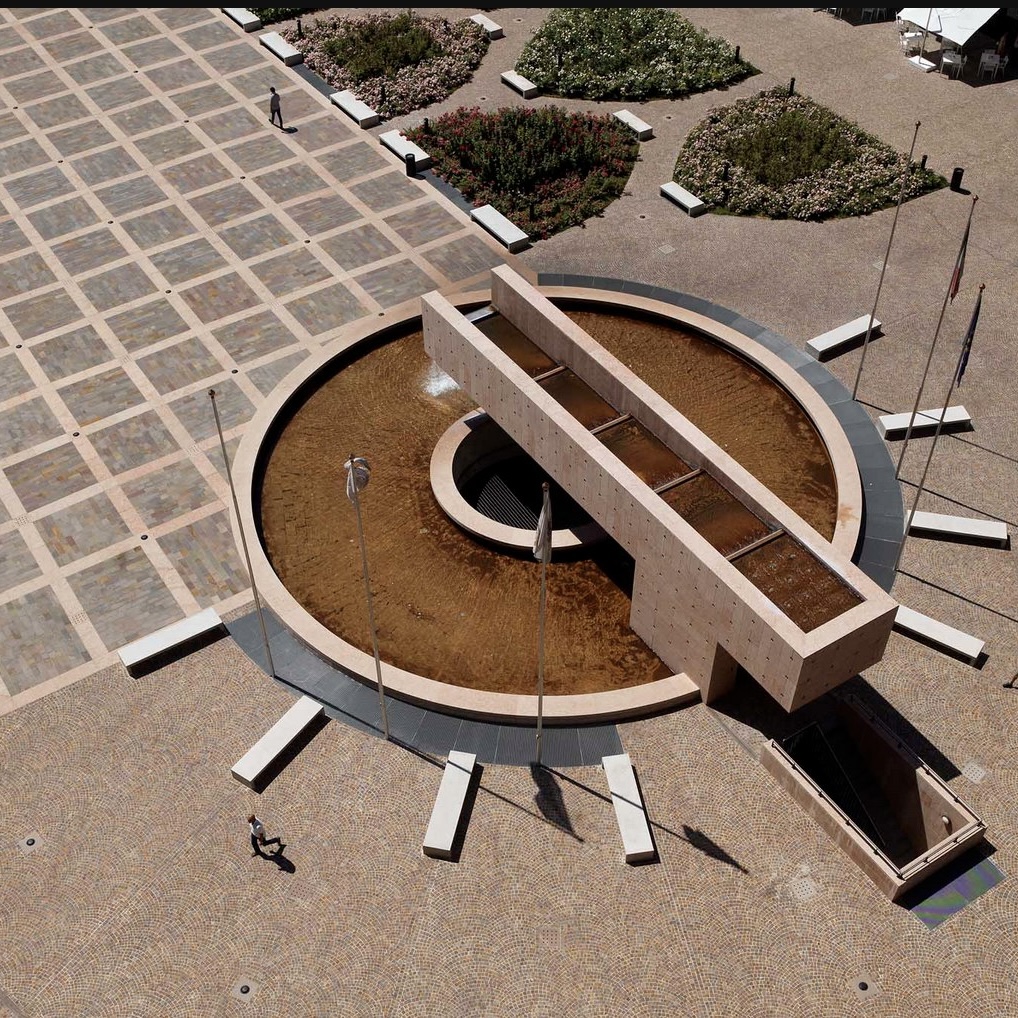
Late 1990s: Growth in Modern Landscape Architecture
In the late 1990s, porphyry gained popularity in hardscaping due to its sustainability and aesthetic appeal. Landscape architects and urban planners utilized it in parks, commercial spaces, and urban plazas, where its natural look and durability enhanced both functionality and beauty. It featured prominently in major projects like public transport hubs and shopping centers across Germany and Austria.
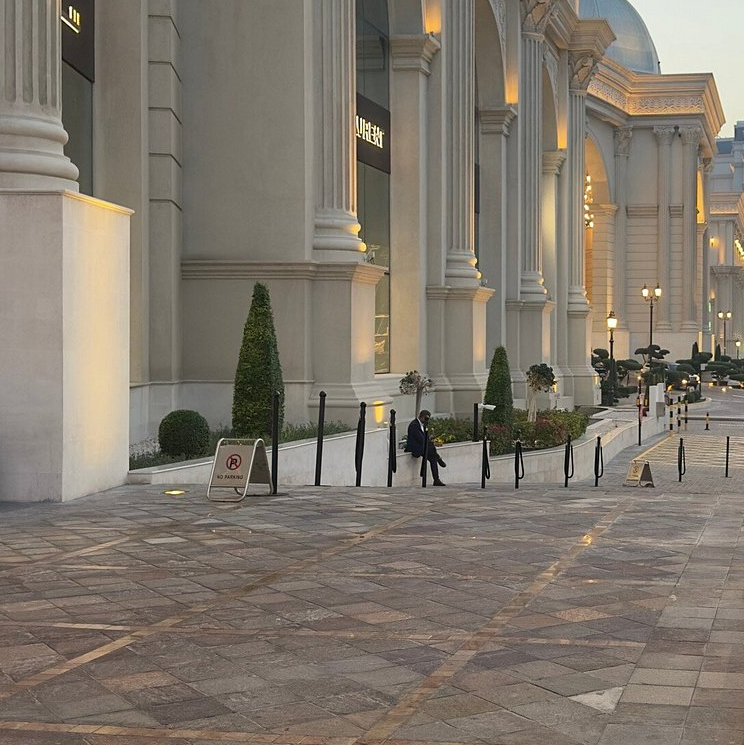
2000s: global Recognition and Continued Use
By the early 2000s, porphyry had become a sought-after material in hardscaping. European cities and global urban centers increasingly chose porphyry for upscale streetscapes and landscaping. Its use in restoration and new projects in cities like Paris, Rome, and London showcased its lasting appeal. The stone's versatility and historical significance made it a favored option for prestigious public spaces.